
Process/Workflow
1.
Patient Audit & Case Selection
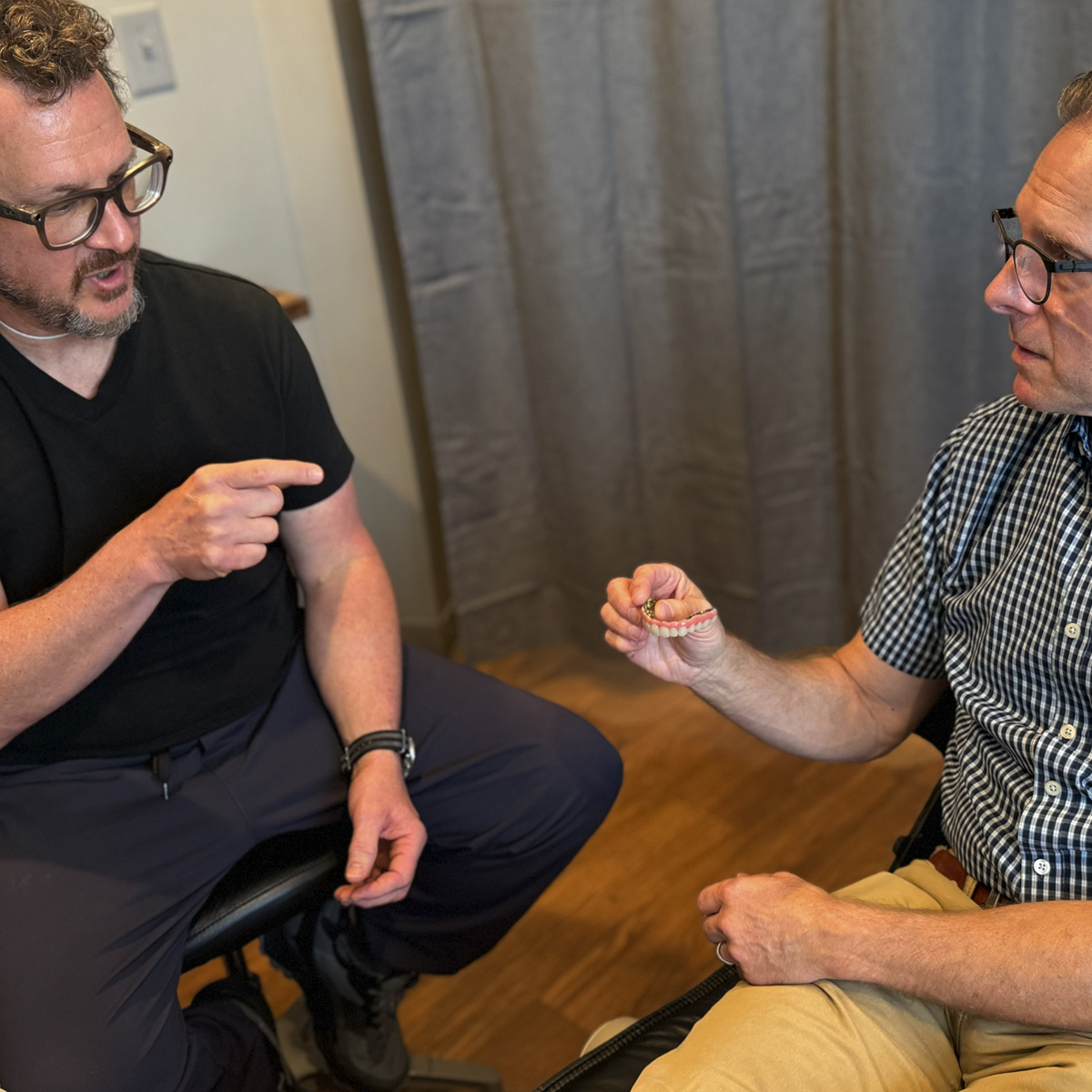
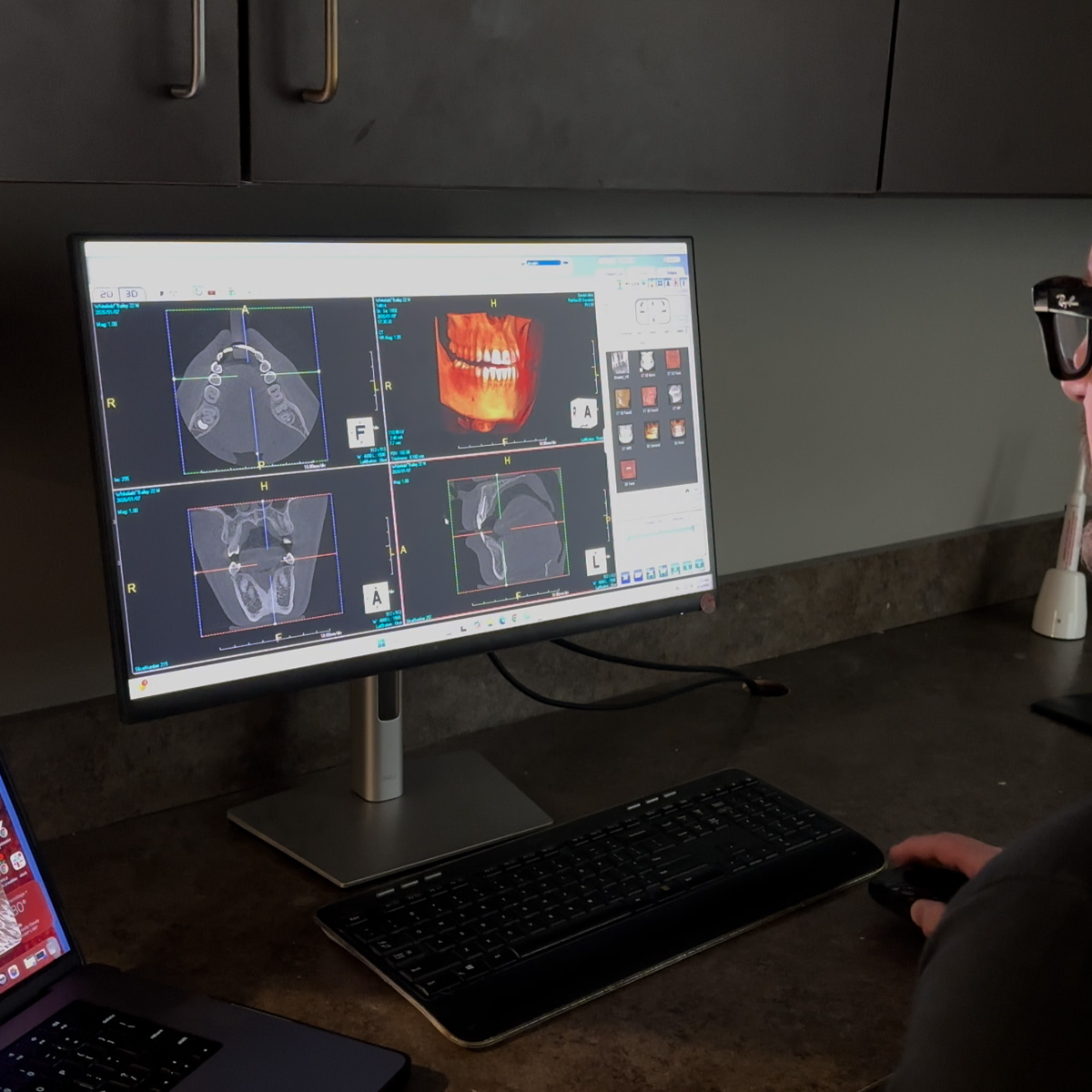
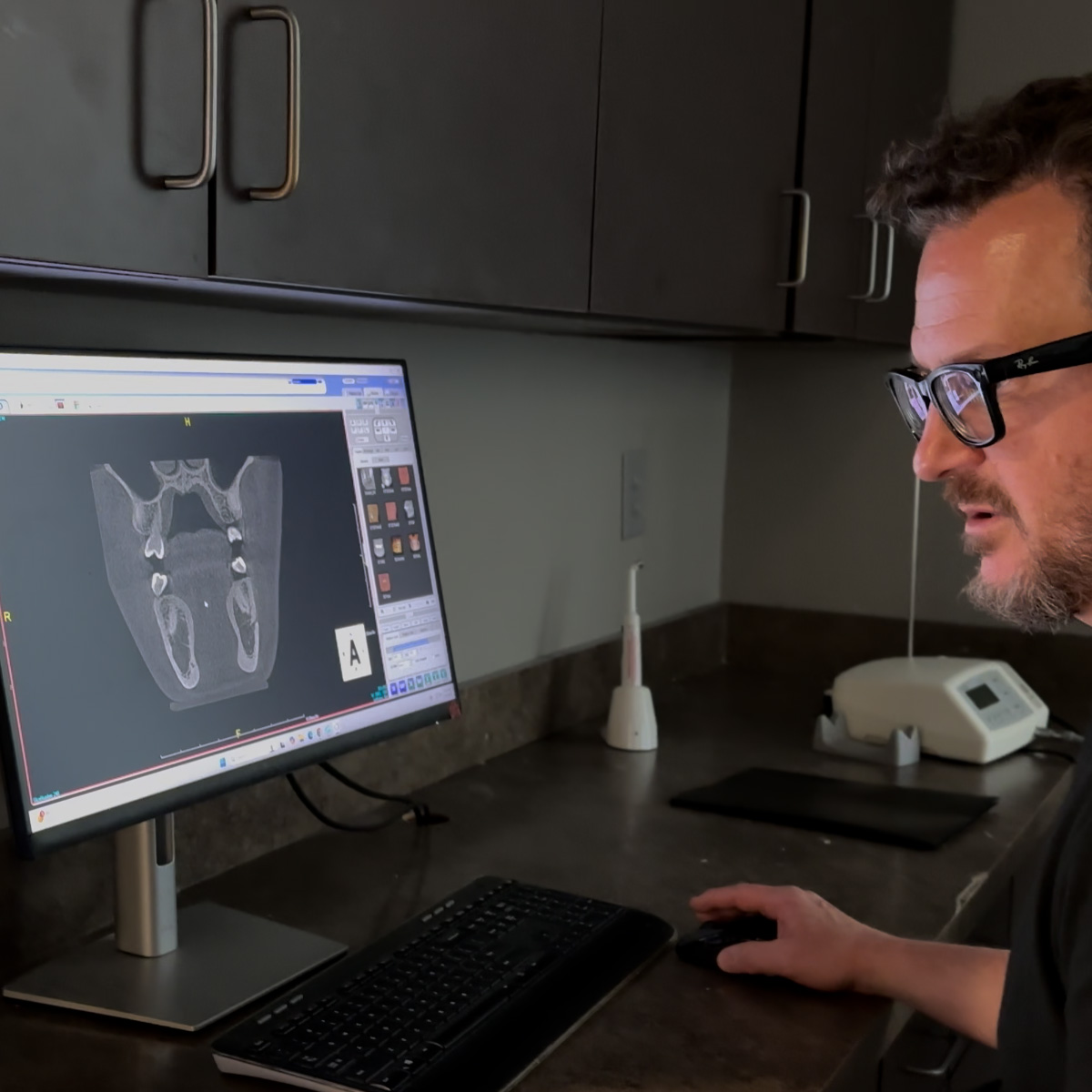
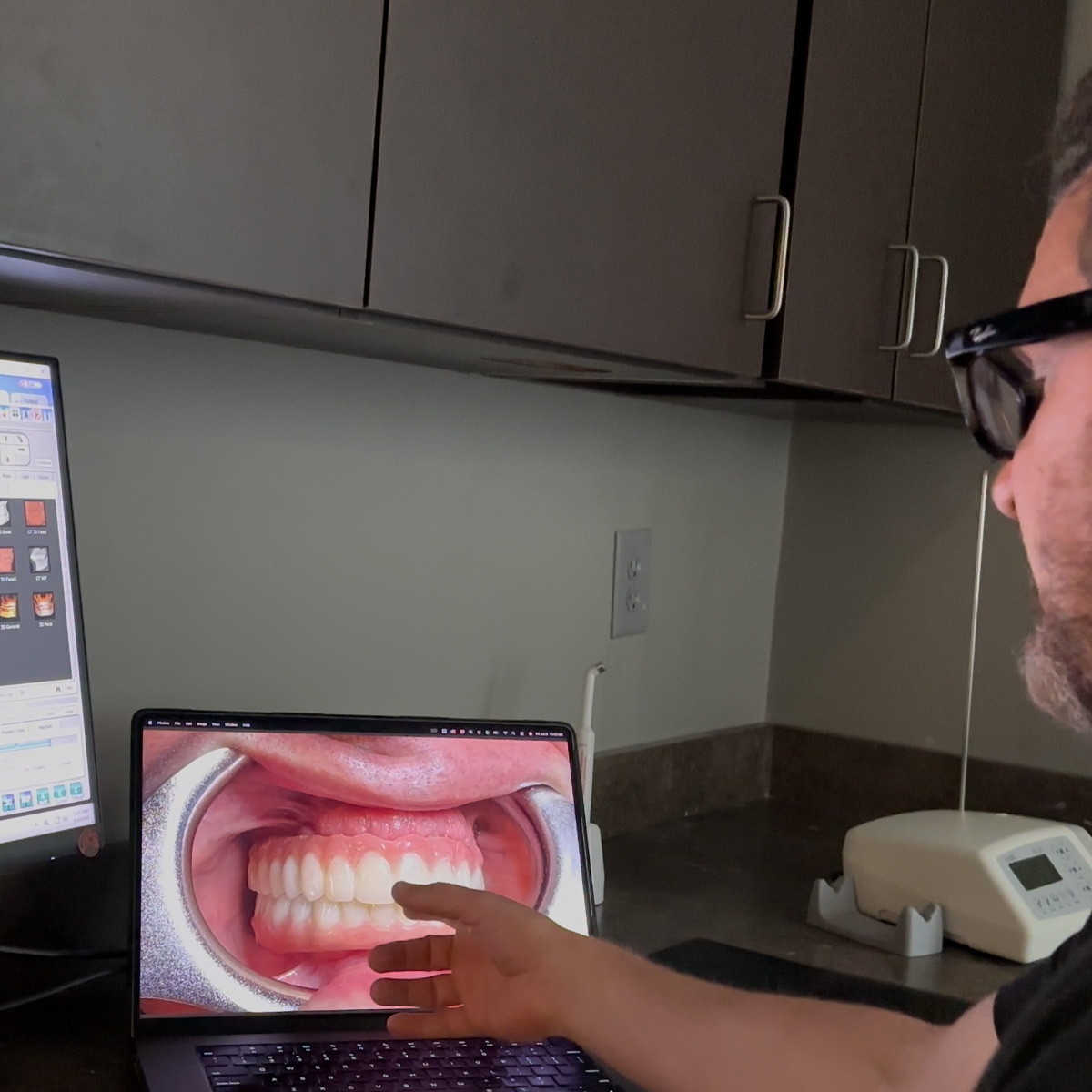
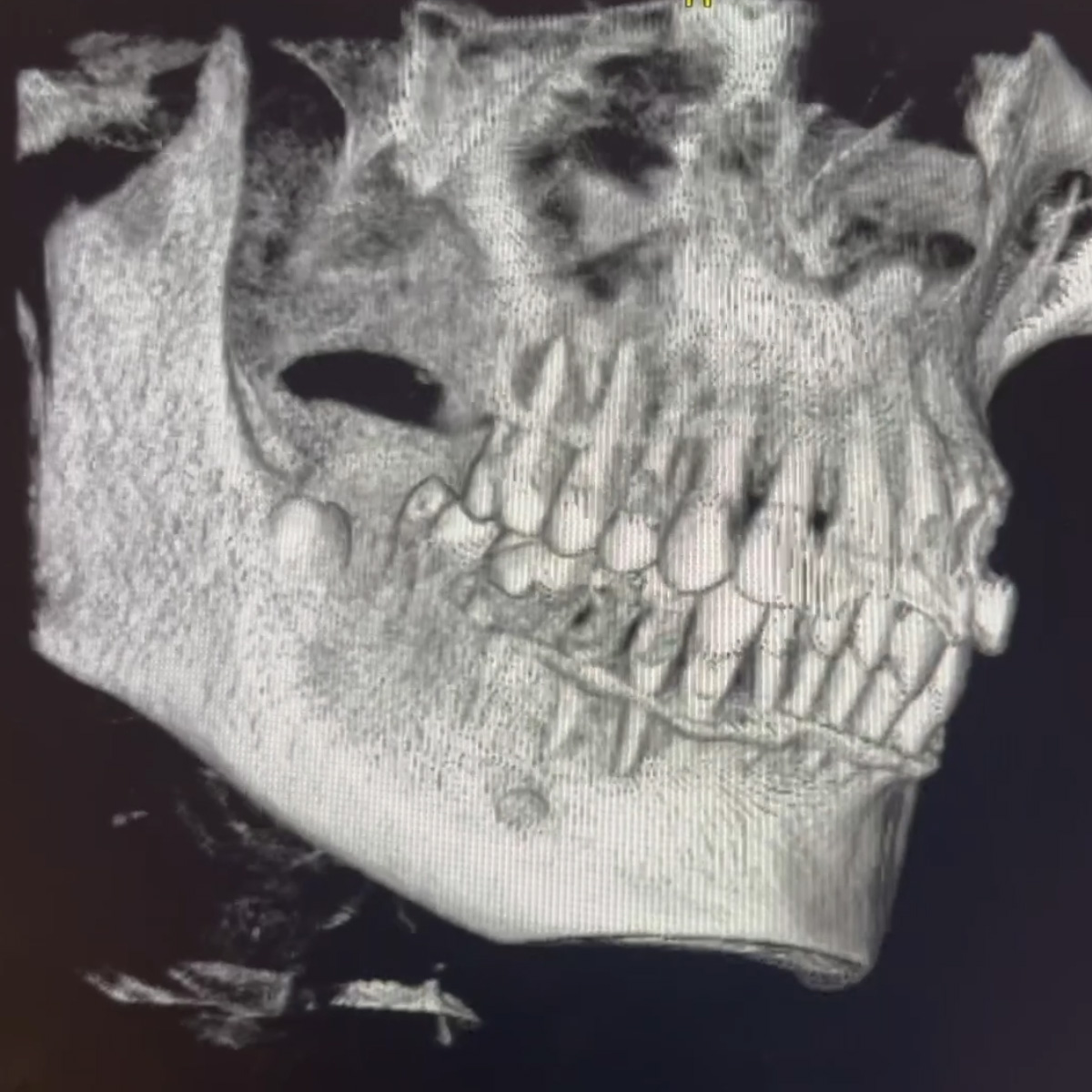
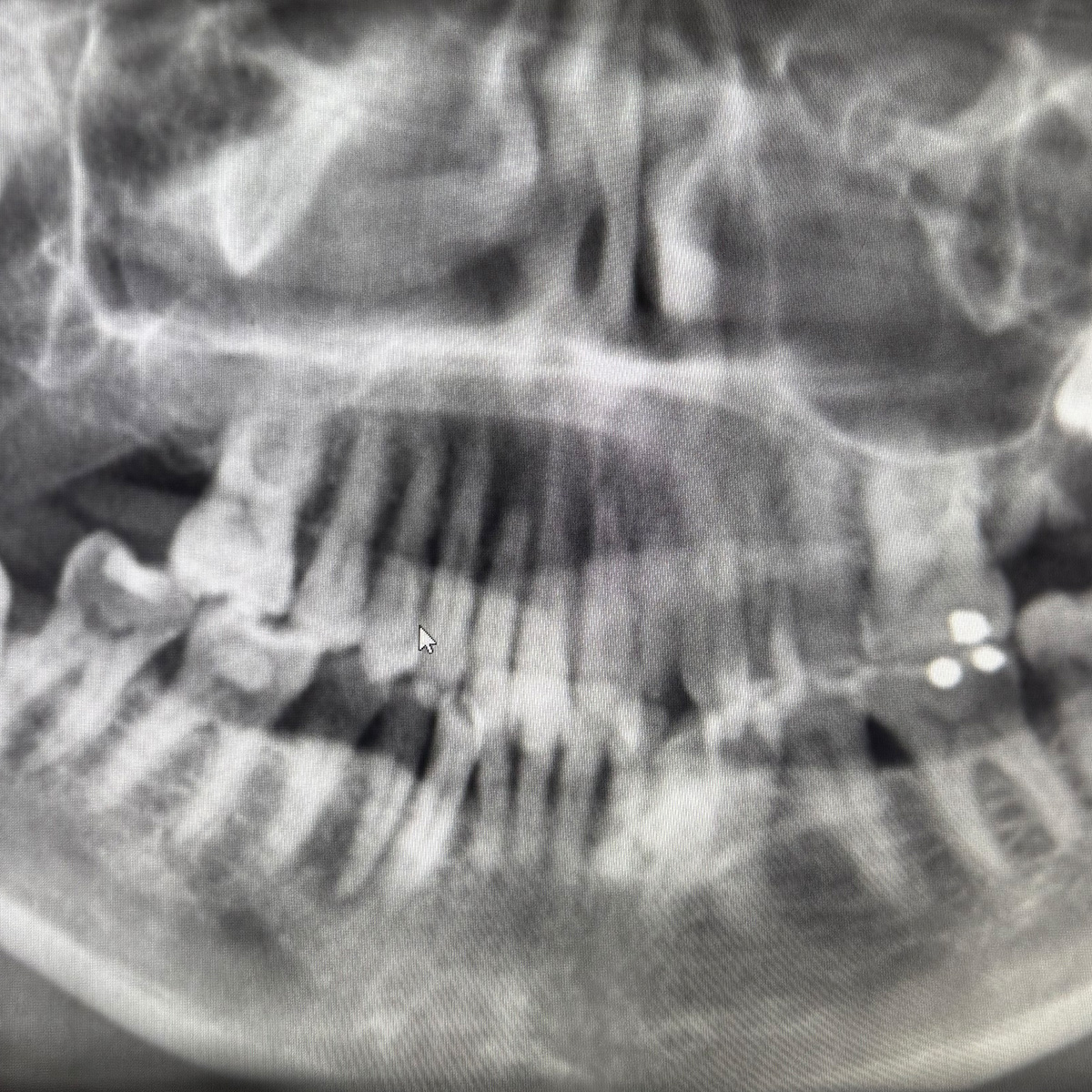
This foundational module guides clinicians through comprehensive patient evaluation and case selection for FlexonX full-arch implant rehabilitations. Clinical audits, including medical/dental history review, CBCT analysis, occlusal assessment, and aesthetic/functional expectations. Individualized case reviews to identify ideal candidates, assess bone volume, ridge anatomy, and risk factors.
Emphasis placedon patient-centered planning to align treatment with realistic outcomes, ensuring predictability, long-term success, and satisfaction in beautiful removable-style implant-supported prostheses.
2. Treatment Planning
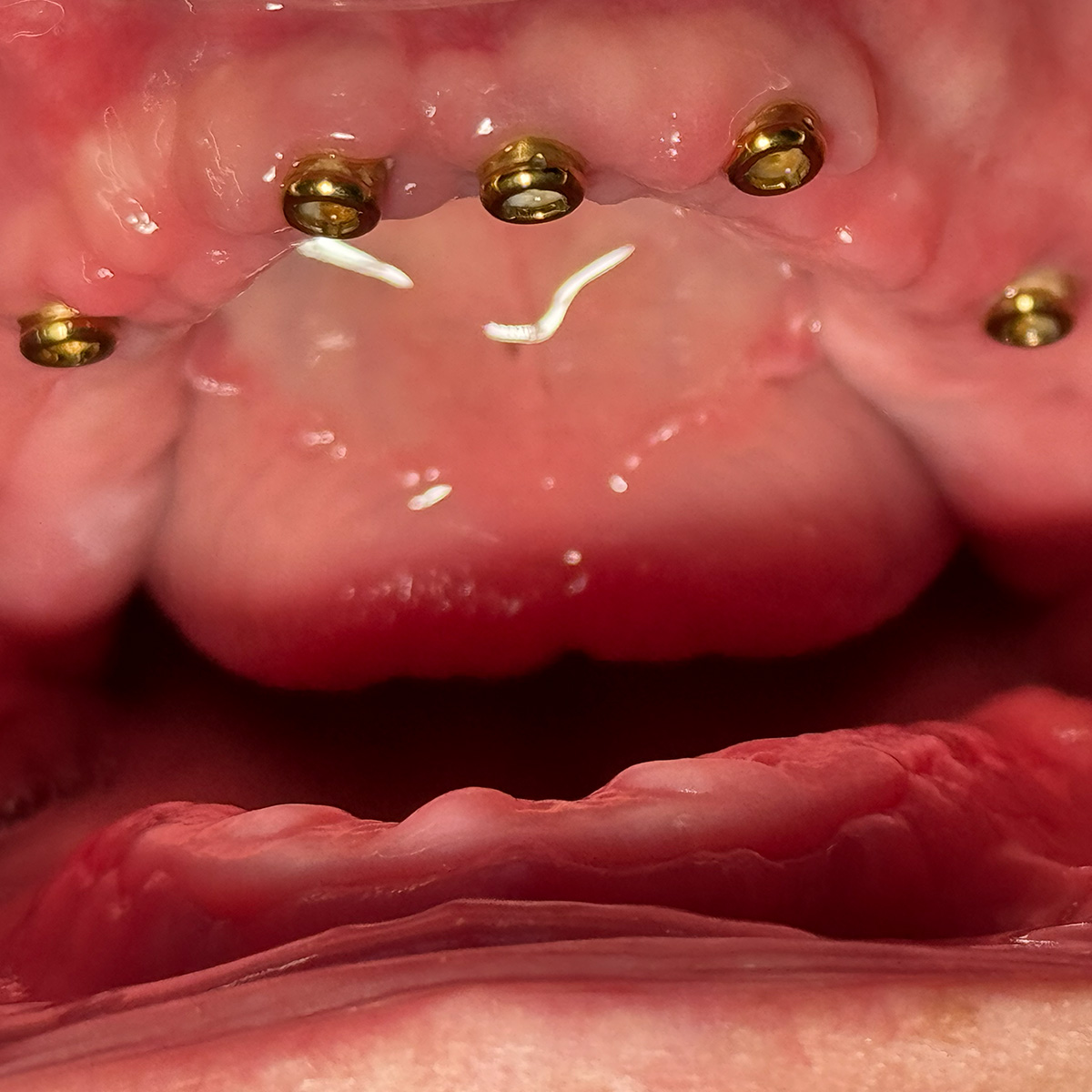
The FlexonX philosophy of surgical planning starts with the end in mind. Over-engineer every part, section and component for strength/ longevity. Concentrate on solid implant placements, complete bone coverage of all threads, and F.R.A./R.S.B. attachment complex. Integrated surgical-restorative approaches and favoring removable over rigid fixed designs to enhance cleansability, stress distribution, and implant longevity.
Maxillary Planning
- Minimum 5 implants (6 preferred) with optimal anterior-posterior spread
- No FP-1 cases due to esthetic and cosmetic hurdles. FP-2/FP-3 case selections only.
- Consider patients’s cosmetic expectations and plan accordingly
- Platform switching on all implants for superior crestal bone preservation long term
- Straight/parallel implant placements, Minimize implant angles as much as possible,
Mandibular Planning
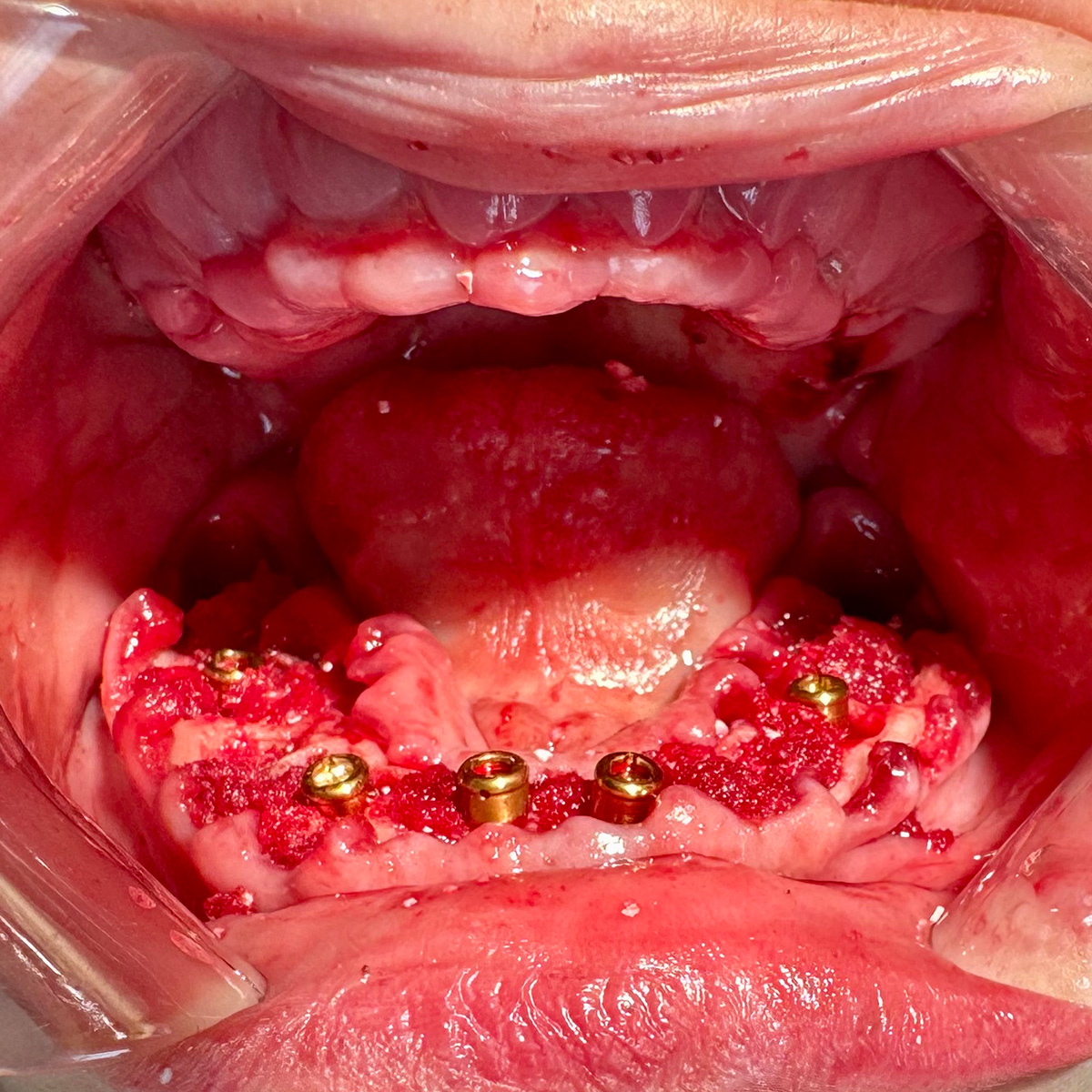
- Minimum 4 implants (6 preferred), straight/parallel alignments, intentional over-engineering to reduce biomechanical risks, and consistent removable mindset.
- Straight/parallel implant placements. Minimize implant angles as much as possible
- Consider patient removal option (not fixed) for long term homecare.
- Water Pik divots for hygiene, Focused patient training at delivery
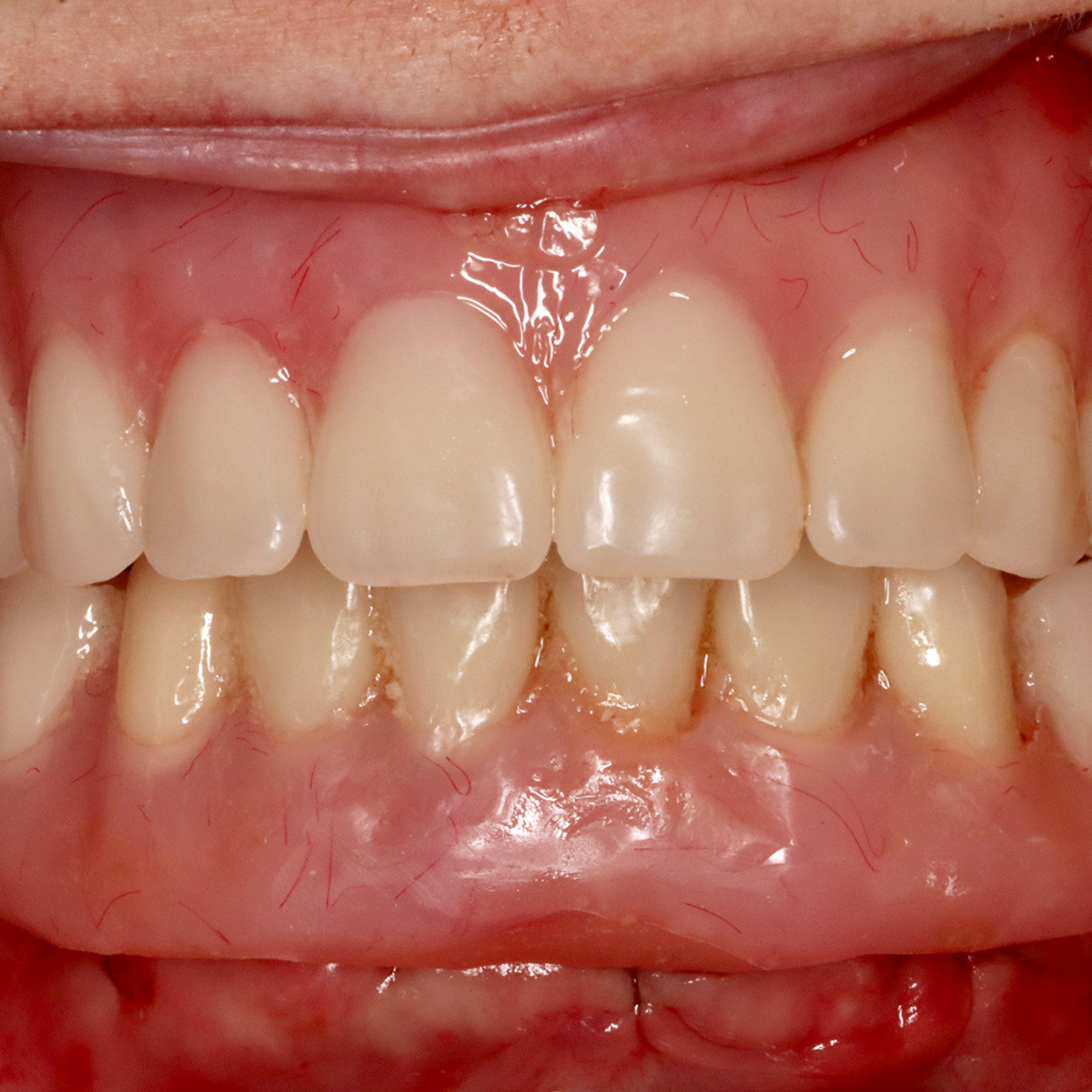
Final Restorative Goals – Achieve ideal maxillary aesthetics, mandibular mastication function, and documented patient expectations for predictable, high-performance outcomes.
3. Clinical Workflow
Think like it’s a denture workflow. Nothing digital, everything analog start to finish
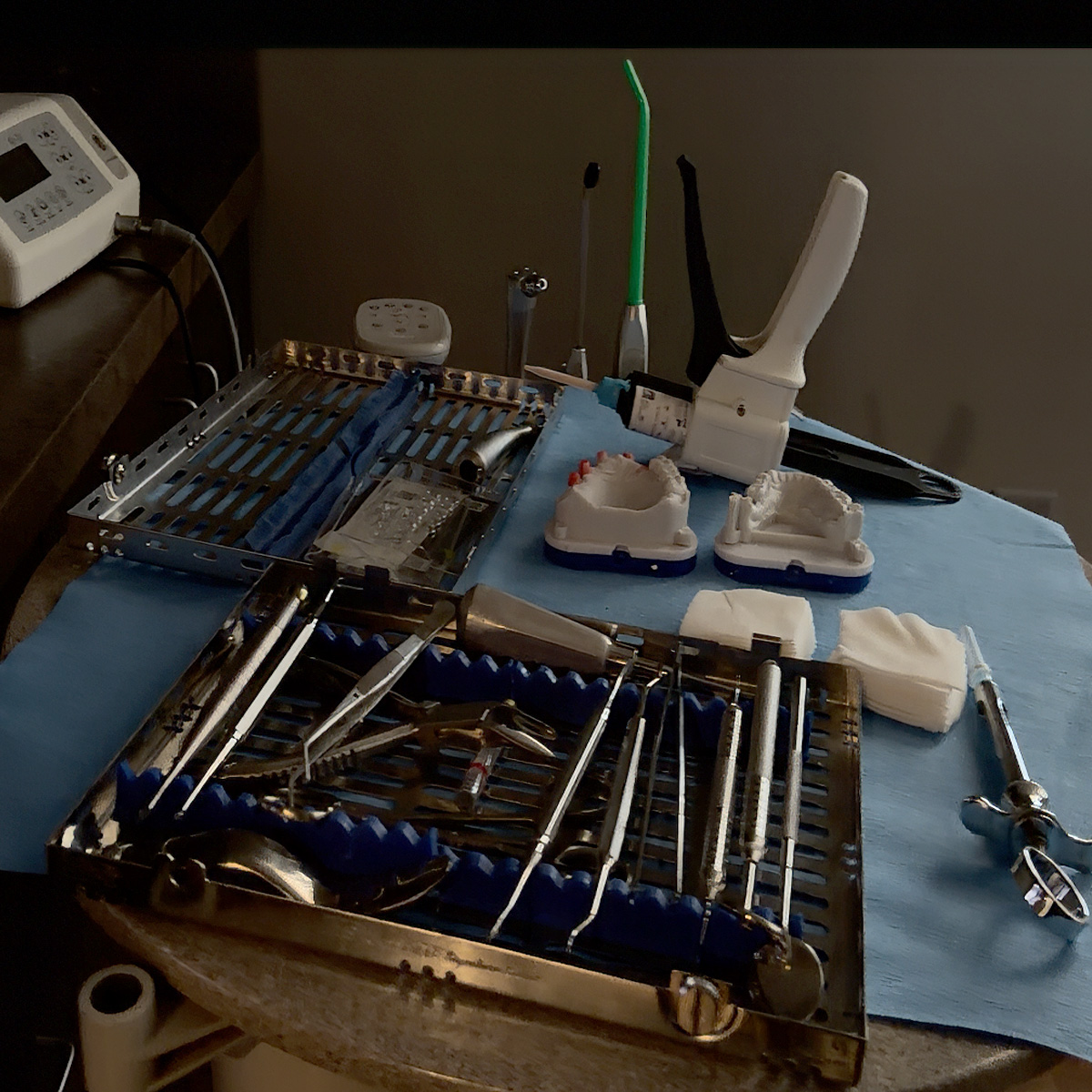
PVS impression Experience the streamlined, efficient FlexonX clinical workflow for fixed-removable implant dentures, blending analog precision with digital innovation for reduced appointments and superior results.
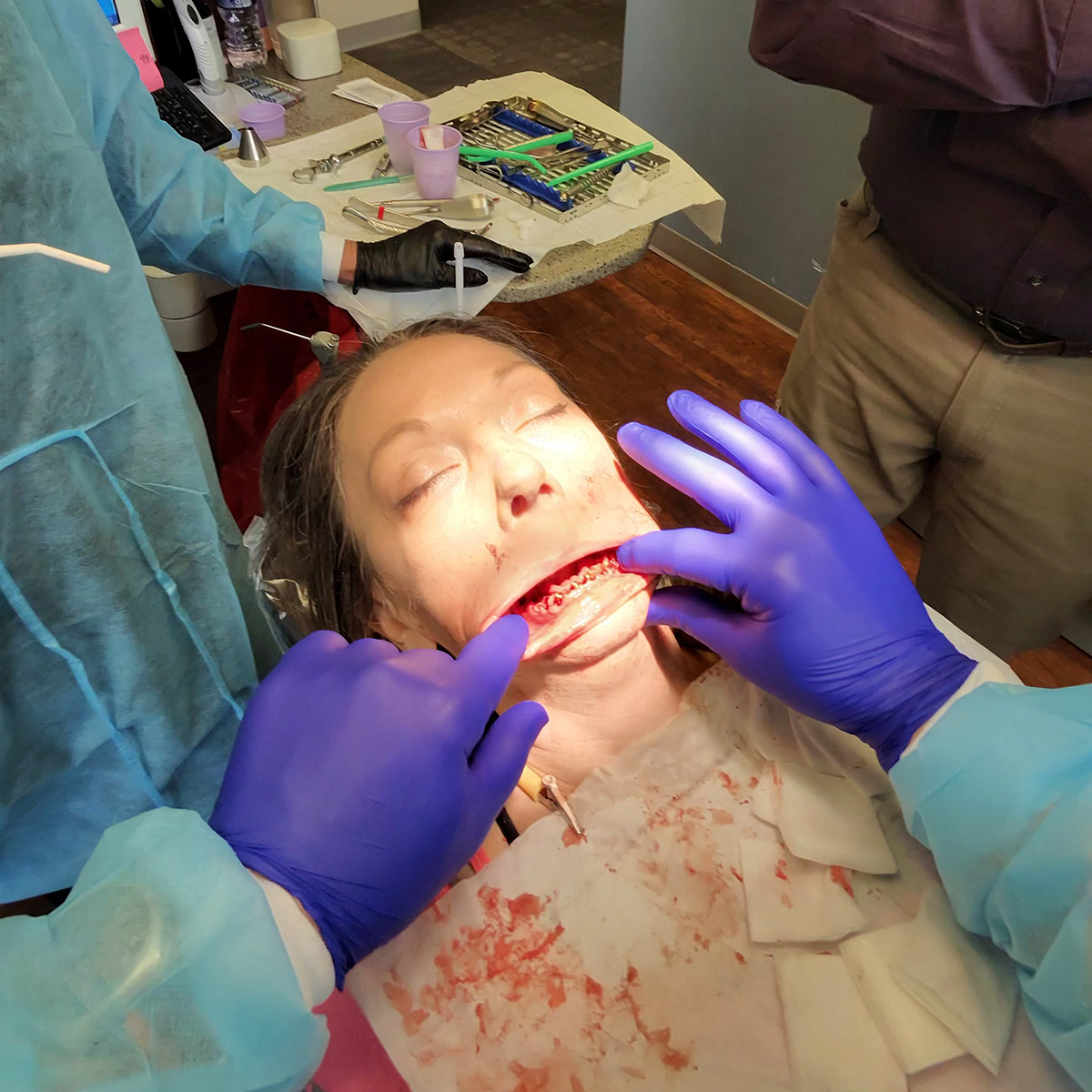
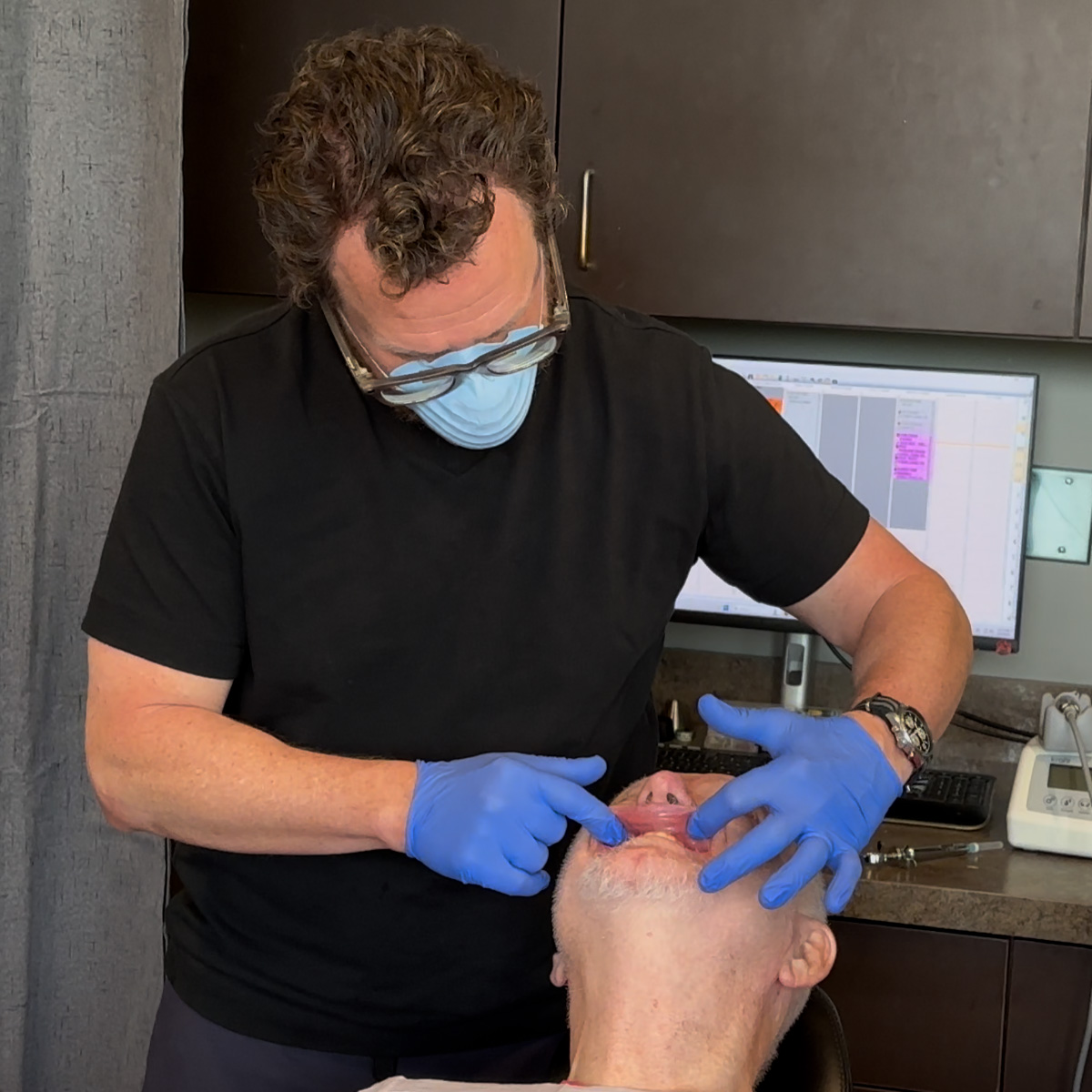
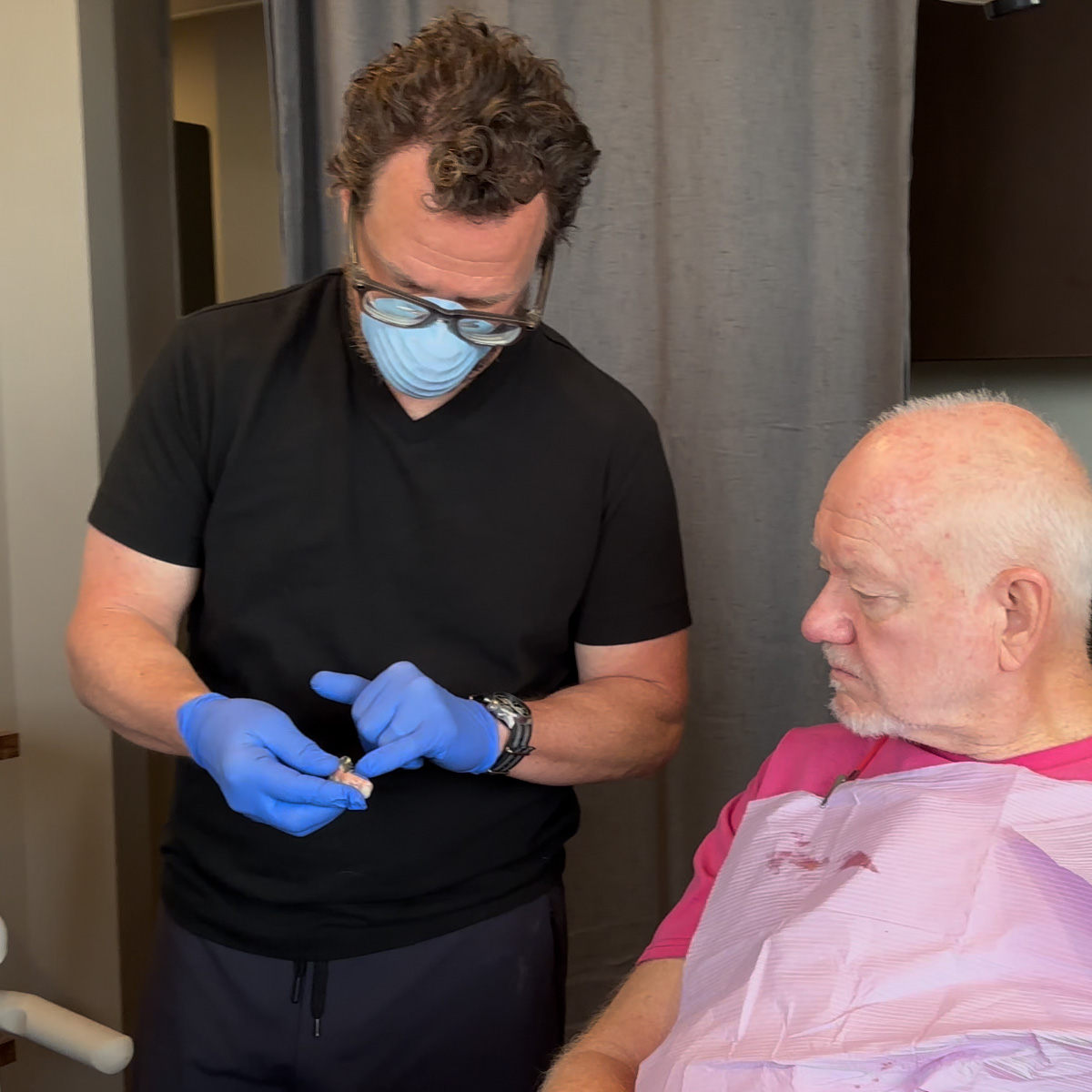
Overview: Denture Workflow Approach — Master impressions/bite records → lab prescription with visual documentation → chairside FRA pickup → delivery/insertion → patient training on removal/maintenance.
P3 – Master Impressions and Bite Records — Choose analog (implant-level techniques, Kois PVS mush bite, lab transfer) or digital (facial bite scans, intraoral scanning, 2-appointment full-arch integration).
Lab Communication & Fabrication — Detailed prescriptions, high-quality photos/videos, digital design in ExoCAD, and informed material selection.
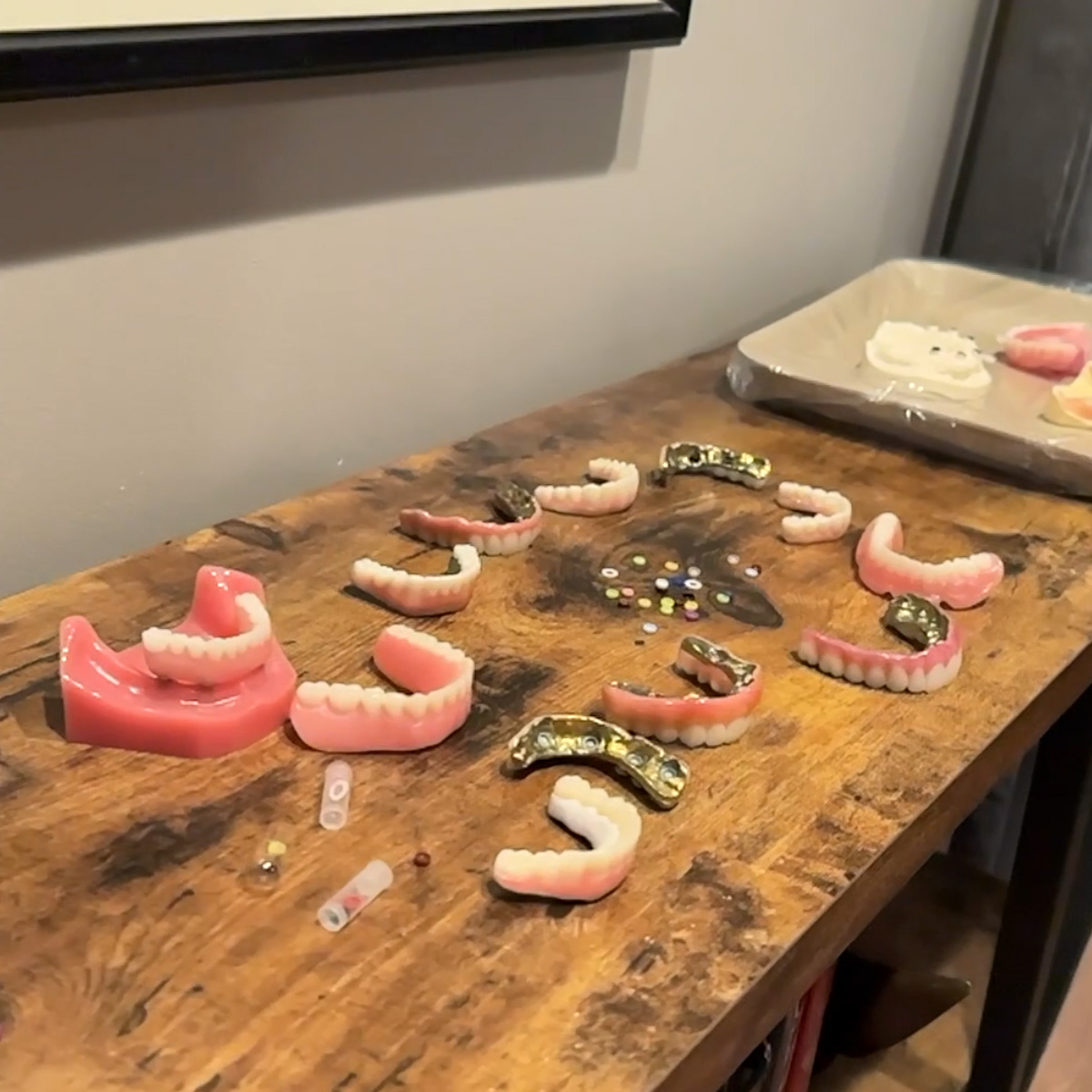
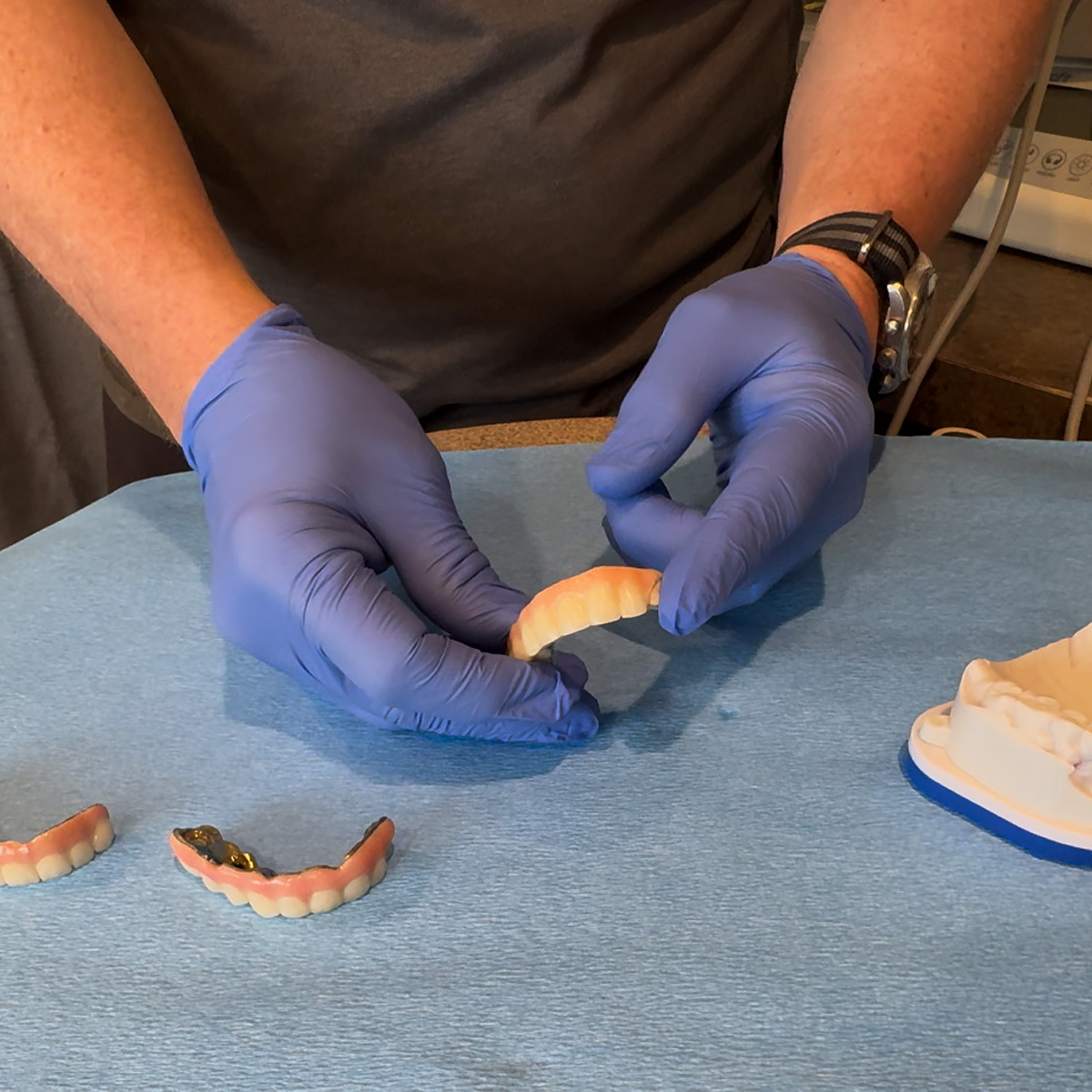
Fixed Removable Attachments (FRAs) — Explore attachment options including Locator, Locator Fixed, and other snap systems; incorporate Resilient Stress Breakers (RSBs) with nanoceramic materials for compression, resiliency, and enhanced implant protection; master chairside pickup techniques, material choices, finishing, and polishing.
P5 – Housing Pickups and Installation — Precise chairside procedures for FRA attachment placement, RSB integration, verification, and adjustments.
Digital Integration — Leverage ExoCAD for advanced maxillary design (facial analysis, bite relationships, digital tooth setup, gingival contouring, export for milling/printing) and adapted mandibular workflows with scenario-specific material choices.
4.
Patient Management
Empower patients for long-term success with comprehensive post-delivery support and maintenance protocols.
- P7 – Home Care Instructions — Provide clear daily removal/cleaning routines, tissue hygiene guidance, warning signs to monitor, and recommendations for effective cleaning products/tools.
- Maintenance and Recall — Establish professional schedules for attachment replacement, tissue health checks, implant stability evaluation, prosthesis inspection/repair, and ongoing monitoring to preserve function, aesthetics, and implant health over time.